
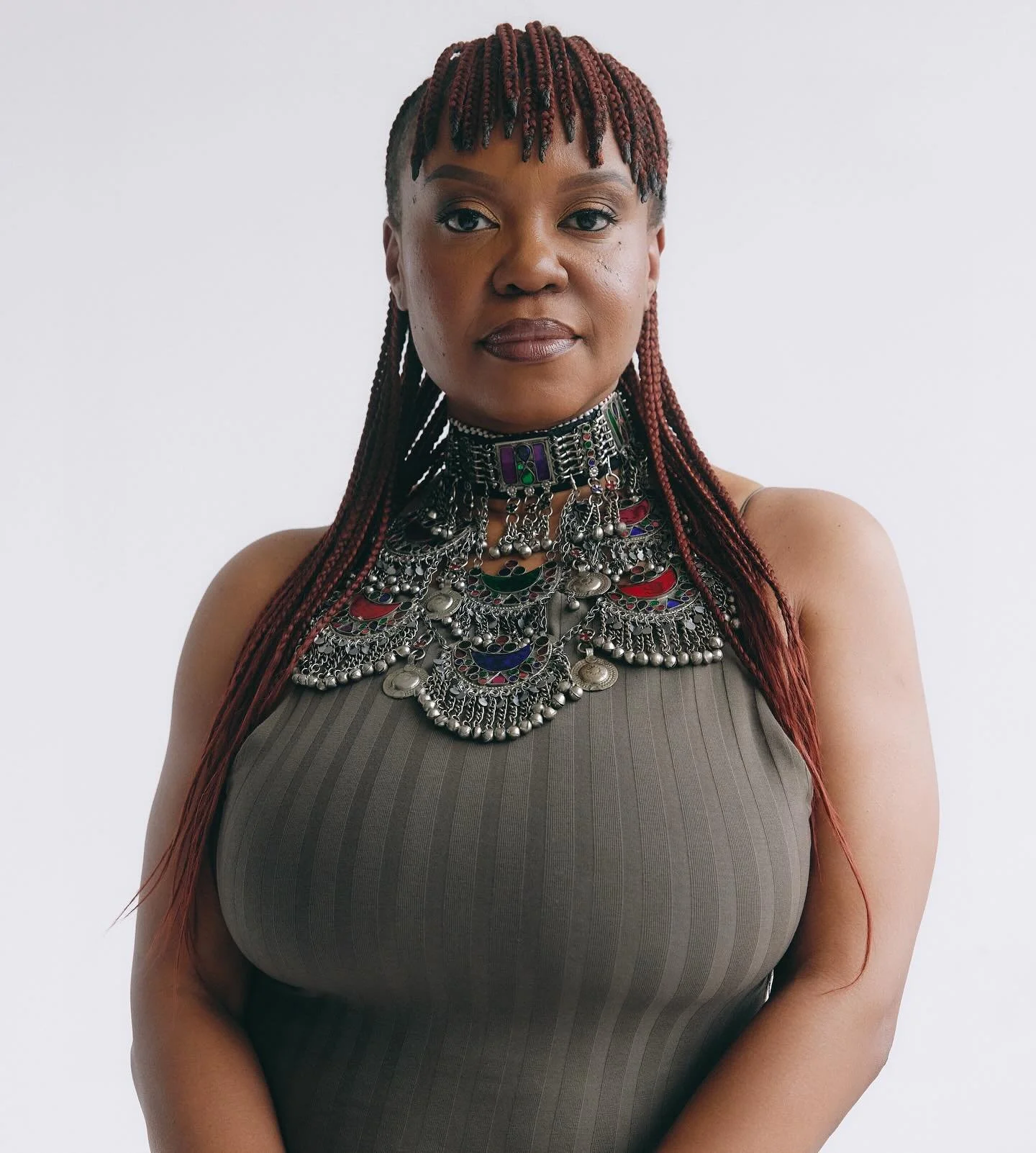
Sabine Blaizin. By Colette Aboussouan.
Producer. DJ. Auntie. Mentor. Big Sister. Soundstress. Sabine Blaizin is many things. Founder of Oyasound Productions, Sabine has spun everywhere from NYC and New Orleans, Miami and Memphis, Omaha and Oakland to Mexico and Haiti, Senegal and Cuba, Amsterdam and Paris. Through projects like Brooklyn Mecca, Grassroots Dance Culture, and Rekòlte: A Night of Haitian Roots & House, Sabine’s artistry sits at the intersection cultural preservation and Black futures. When she’s not making music, she serves as the Deputy Director and Head of Programs of Caribbean Cultural Center African Diaspora Institute (CCCADI) oversees CCCADI’s public, education and fellowship programs. A Haitian Bronxite, Sabine is an Artivist and Pan-Africanist is a bridge between worlds, bringing together culture and spirituality through everything she touches.
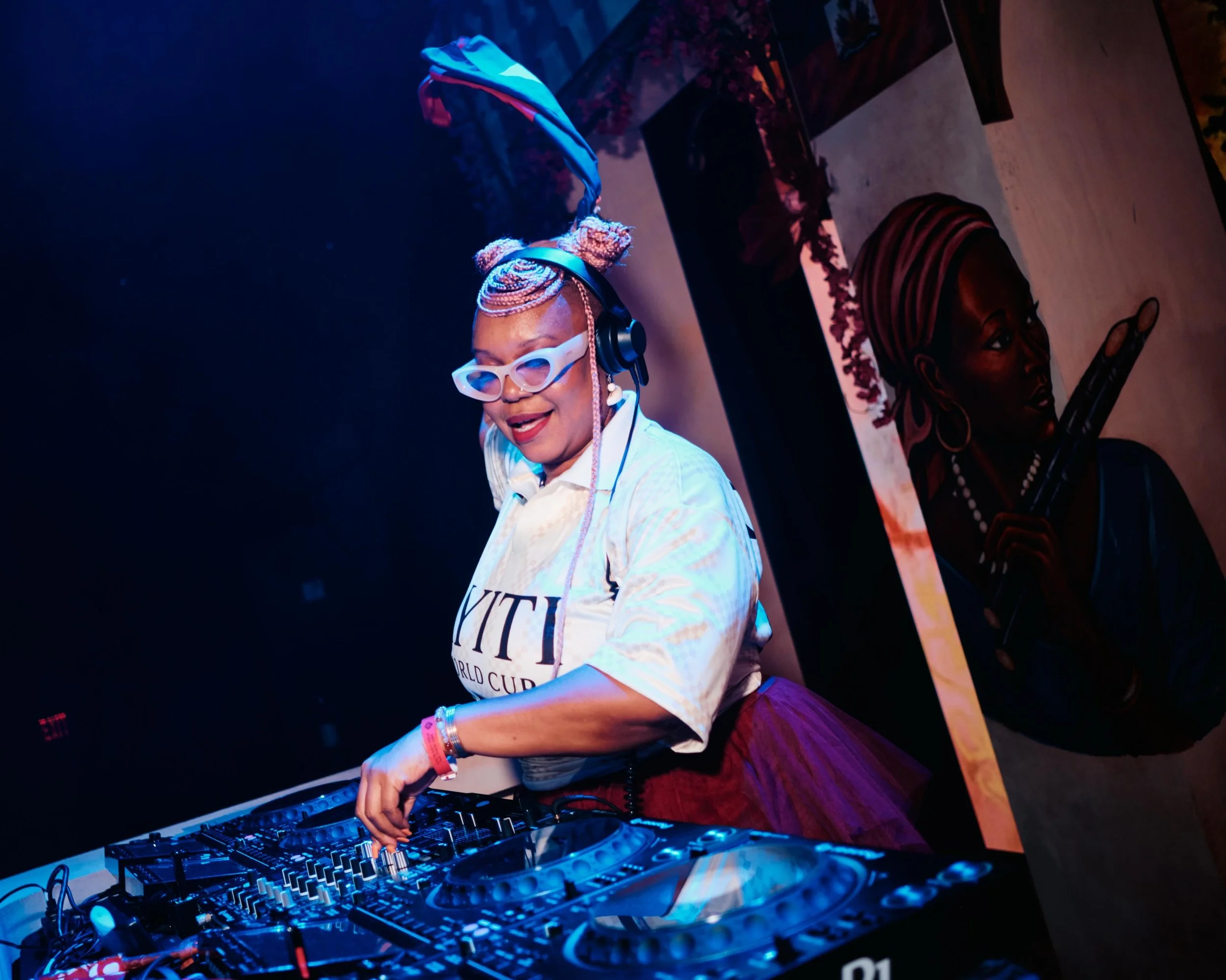
Sabine Blaizin. June 2026, by Pharoah Rex.
DJ, curator, music producer. You shared in a NuevaYorkinos submission once that your foray into music was your parents. How did growing up a Haitian Bronxite influence your creative journey.
Growing up in a Haitian household in the Bronx, music was everywhere—konpa, soul, hip-hop—it was the soundtrack to my daily life. My parents’ records introduced me to rhythm, storytelling, and culture. I started DJing just to share those sounds, and it clicked: this wasn’t just a hobby, it was how I made sense of the world. That’s when I knew music was my path. As a Haitian-American woman, my identity has always been intertwined with the powerful legacy of the African diaspora and the revolutionary spirit of Haiti.
Growing up surrounded by traditional Haitian music, spirituality, and storytelling, I always coined my father as my 1st DJ and my mother as my first dance partner. When I discovered the club scene as I grew older, I naturally fell in love with House and deep electronic sounds as a dancer—genres that echoed that same musical soul of my upbringing and ear for music, just in a new language. As a teen then college student, I explored being in various groups via spoken word, breakdancing, capoeira, traditional Puerto Rican/Dominican/Haitian bands, and House dance.
I later transitioned into DJing-- this form of expression stuck the most. I played the songs I loved hearing in the clubs but also wanted to fuse traditional African diasporic sounds I heard growing up w/ House music. I was influenced by many pioneer House DJs but wanted to curate my own sound w/ traditional Haitian rhythms. I eventually developed my own style by playing and producing music. I also later curated events as my way of building community.
During this time of musical self-discovery, I also became a spiritual practitioner in Lucumi, Palo, and Vodou. Founding Oyasound was the moment I decided to blend all of it—spirituality, resistance, celebration—into one platform. I’ve played stages from Brooklyn to abroad, but the most transformative moments come when I see people moved—physically, emotionally, spiritually—by what I play. Whether it’s spinning konpa-infused house or planning a diasporic dance event, I’m guided by my roots, my people, and the power of sound to heal and connect.
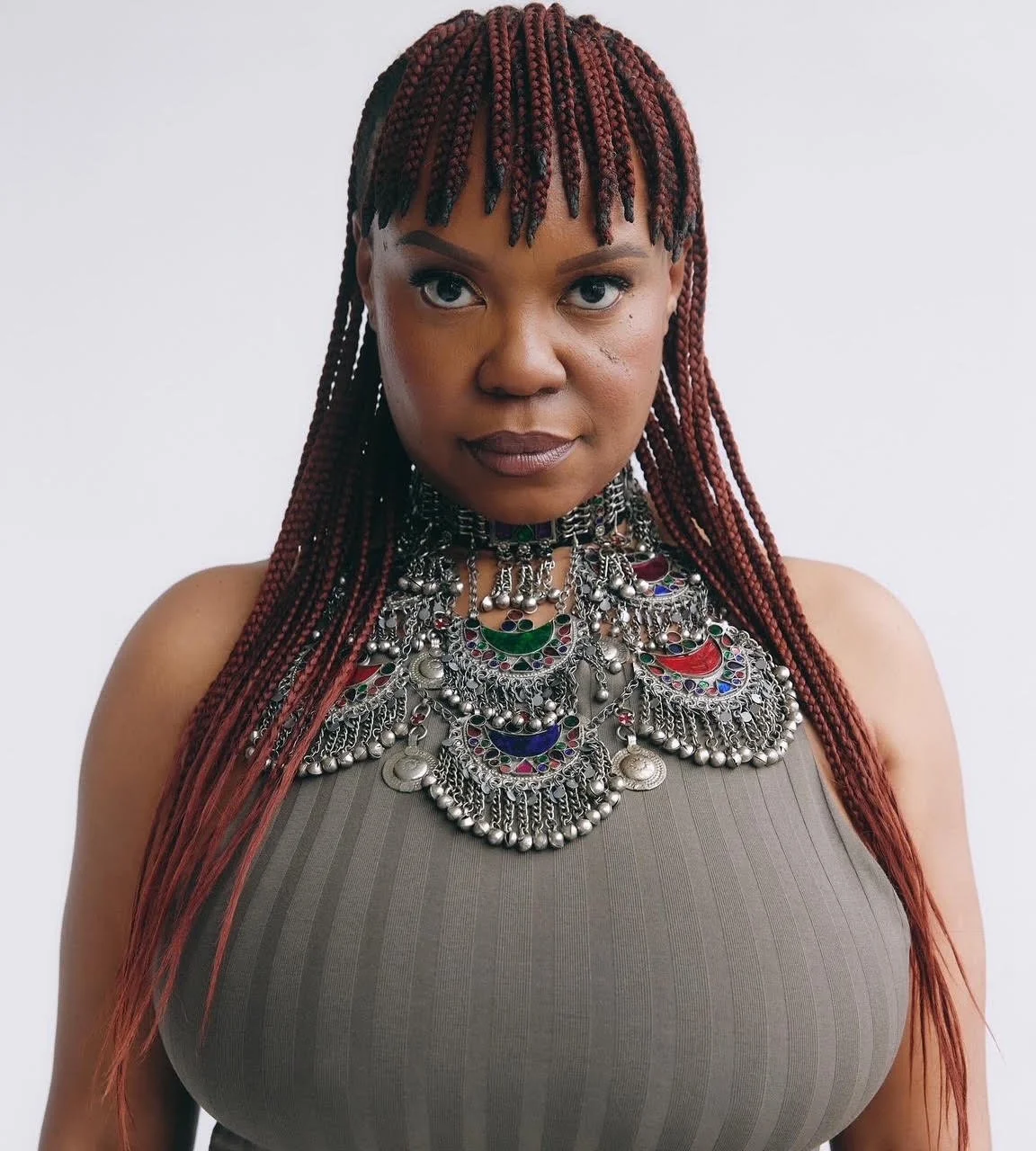
Sabine Blaizin. By Colette Aboussouan.
You’re the founder of Oyasound Productions, a music and lifestyle brand highlighting the intersections of the African diaspora through music and rhythm. How did this project begin?
Oyasound has been shaped by years of navigating spaces where our stories, our music, and our cultures were either underrepresented or misunderstood. Instead of waiting for space, I built it. I wanted to make my own stamp in the electronic music scene, as a Black woman in a predominately white male industry, knowing that representation matters, and that the work I do isn’t just about sound—it’s about legacy. Through Oyasound Productions, I’ve learned to trust my vision, sharpen my voice, and lean into both ancestral wisdom and future-forward thinking. It’s been a journey of learning—through collaboration, resistance, celebration, and self-discovery.
A most fierce, female warrior deity in the Yoruba pantheon, who is Oya in your life?
She represents what's infinitely possible with the acknowledgement and representation of our ancestors. She is a spiritual embodiment of how I lead with power, purpose, presence, love, with fire, and with the full knowledge that my work lights the way for others to reclaim their inherent power. I stand at the gateway of tradition and innovation—honoring the deep roots of the African diaspora while pushing the boundaries of sound and experience. She reminds me that I am unapologetically Black, global, and future-facing. I’m not here to follow trends—I create movements, amplify voices, and build spaces where rhythm becomes revolution.
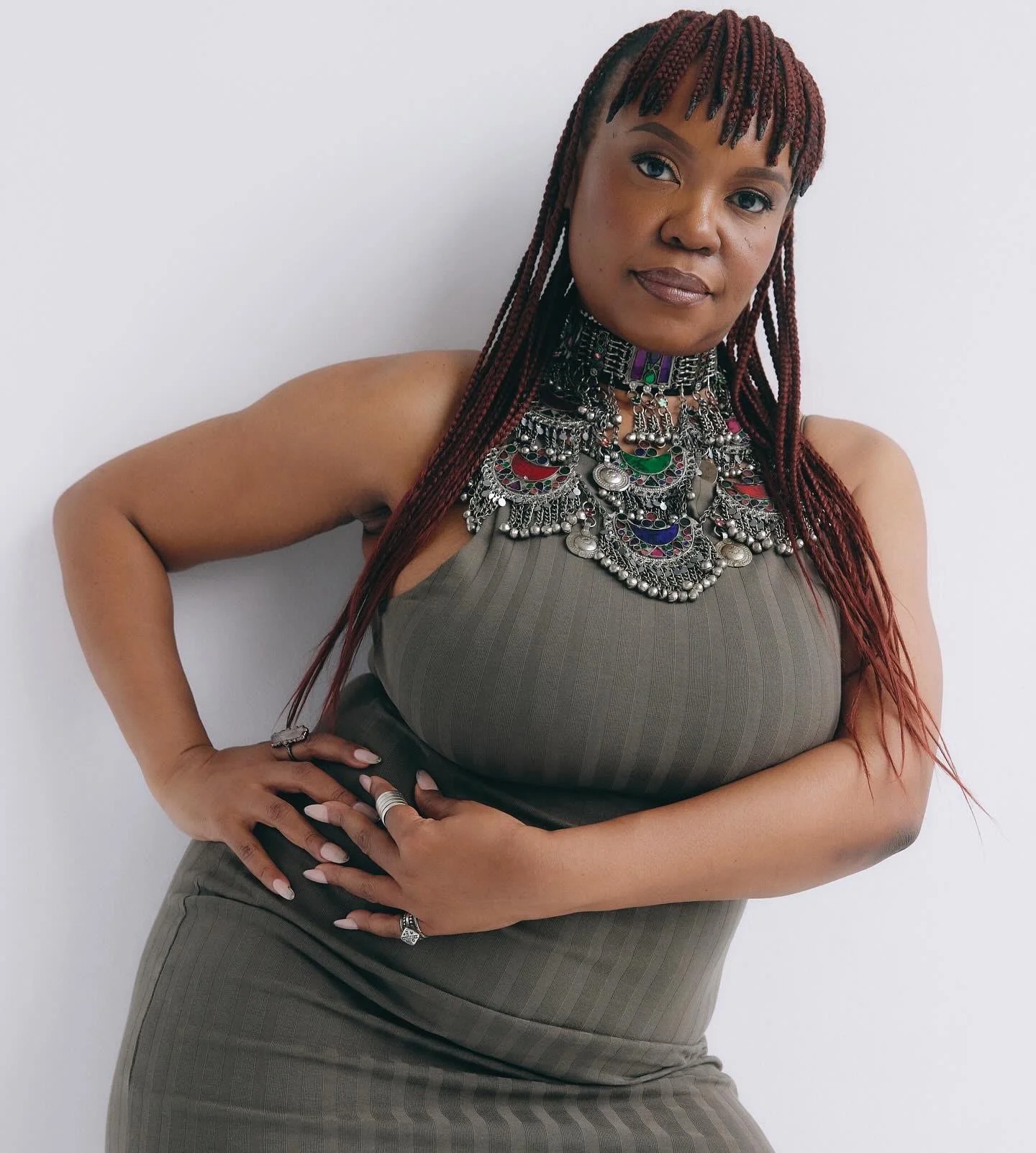
Sabine Blaizin. By Colette Aboussouan.
Last May, you released Tonight We Fly (Aswè A Na Vole). What was the creative force behind this body of work?
Tonight We Fly (Aswè A Na Vole) is Oyasound in full form—a tribute to the African diaspora’s depth and power. It bridges ancestral rhythms from Haiti, Angola, Brazil, and South Africa with electronic beats, creating a spiritual and immersive experience. The title speaks to pride, joy, and resilience—core values of Oyasound. It’s about owning your roots, your rhythm, and letting that pride lift you. Fly on!
This album gave birth to pop-ups, events, a podcast. It’s like alchemy.
I see music as ritual, dance as release. In chaotic times, the dance floor becomes sacred space. With my party, Rekolte: A Night of Haitian Roots & House, I create moments of joy, connection, and ancestral grounding. It’s about turning heaviness into movement, and reminding us that joy is resistance, and rhythm is healing. The Oyasound Podcast was born from a desire to honor the voices behind the music. With Tonight We Fly, every artist brought their own story, culture, and magic—and I wanted to give them space to share that. It’s more than a feature; it’s a celebration of their journeys, and a platform to uplift the creativity and power of the African Diaspora beyond the dance floor.
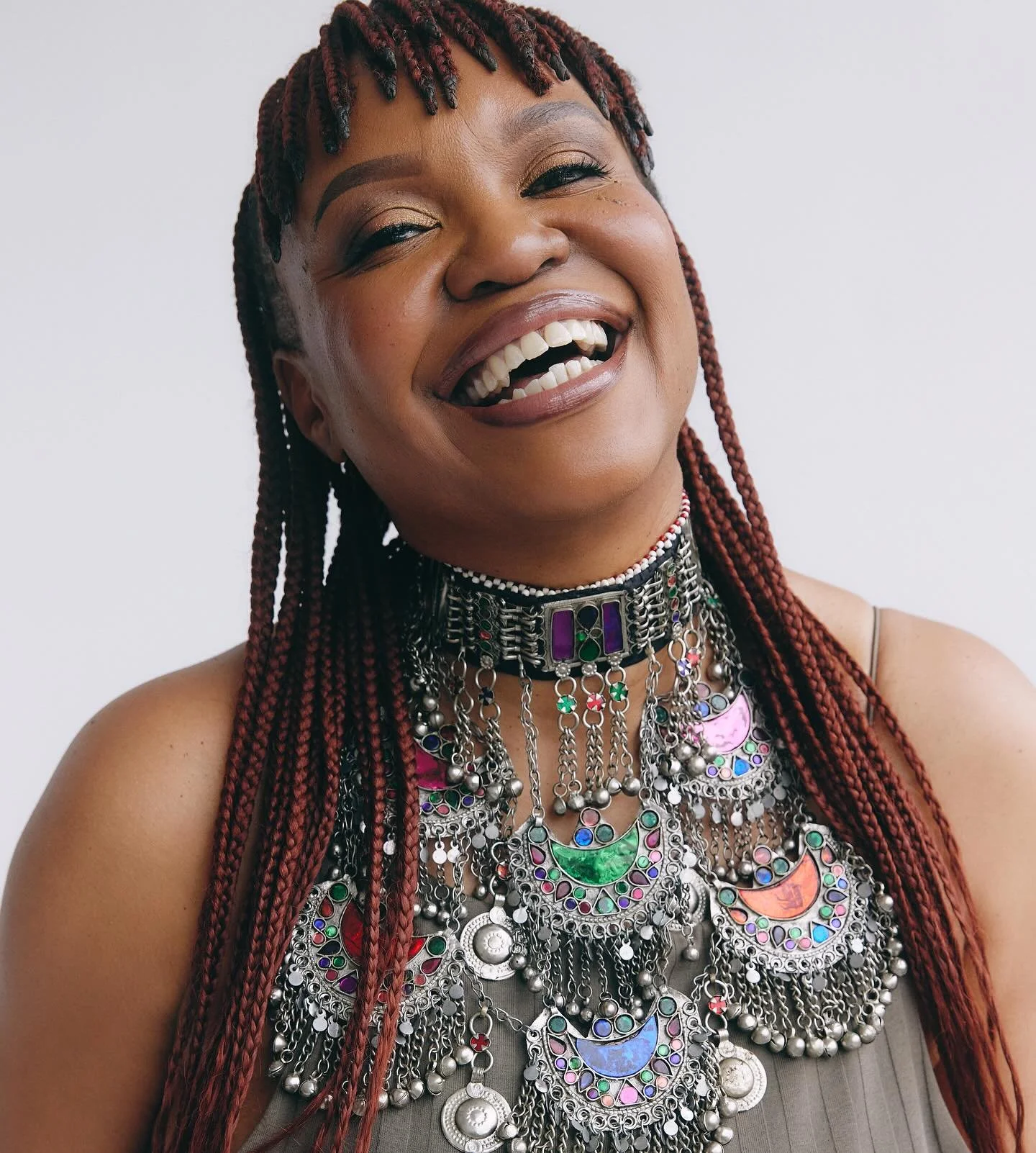
Sabine Blaizin. By Colette Aboussouan.
As healers, do you feel DJs, and nightlife, have a certain responsibility to the masses?
I see DJs as spiritual messengers—channeling emotion, memory, and joy through sound. In these heavy times, the dance floor becomes more than just a place to party—it’s a place to breathe, cry, laugh, and let go. I hold that space with care. My job isn’t just to play music—it’s to help people feel human again, connected to something bigger. That’s the heart of Oyasound: healing through rhythm, joy as resistance, and music as medicine.
When not making music, you’re serving as the Director of Program at the Caribbean Cultural Center African Diaspora Institute (CCCADI). In this role, you’ve been able to curate programming championing and celebrating African Diasporic cultural heritage. What do you hope audiences take away from the work you and the team coordinate within CCCADI?
At CCCADI, everything we do is rooted in the belief that culture is power. Through our programs, we’re not just showcasing art—we’re advancing cultural equity and honoring the brilliance of African descendant communities. I hope people leave feeling seen, connected, and activated—understanding that our stories are essential to shaping a just, joyful, and liberated future.
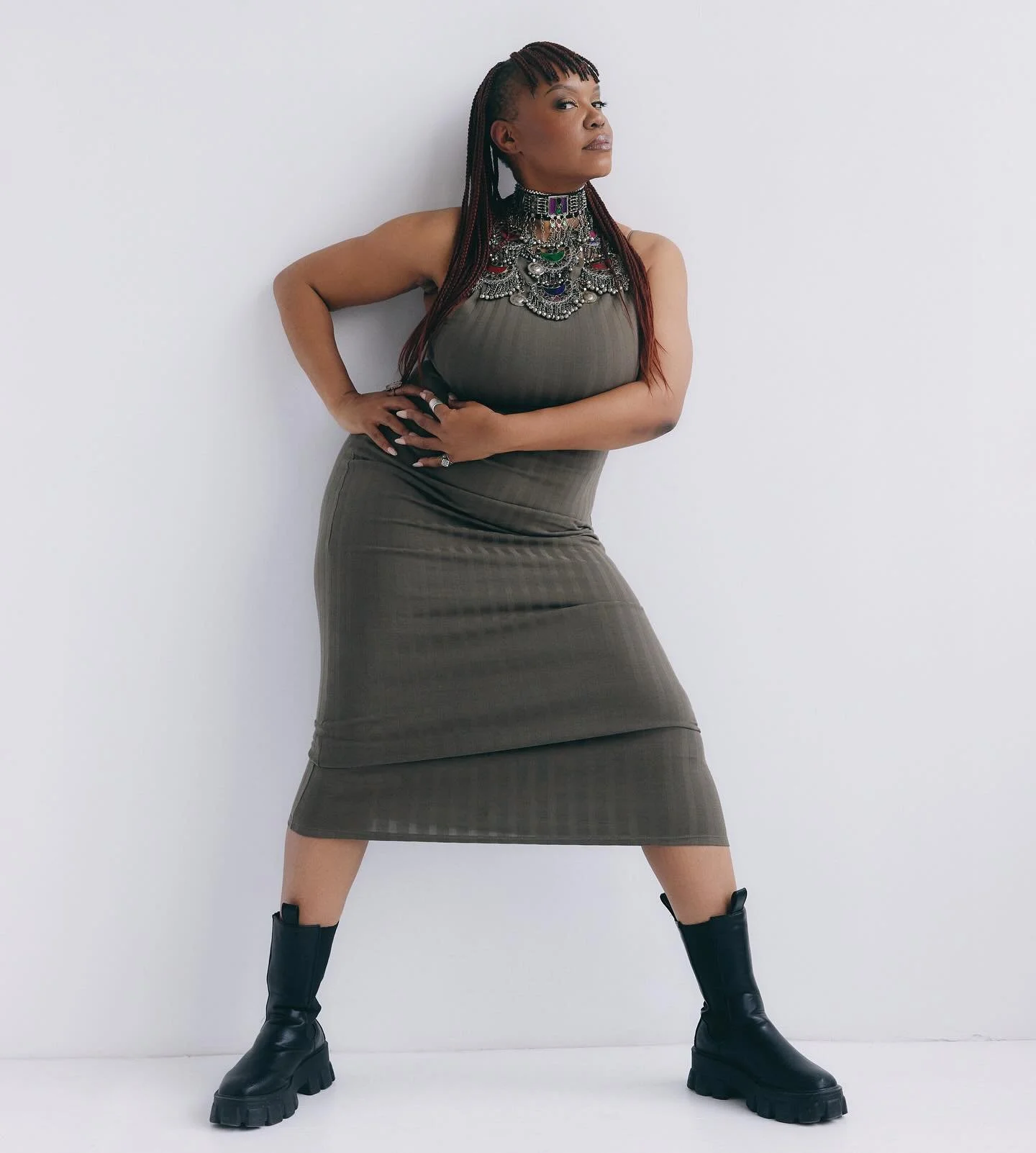
Sabine Blaizin. By Colette Aboussouan.
Across mediums, cultural advocacy seems to be a main tenet of your ethos.
It's love—for my people, my roots, and our stories. Growing up Haitian in the Bronx, I saw how much beauty and wisdom lived in our culture, even when the world didn’t always recognize it. That’s what drives me: making sure our voices are heard, our rhythms are felt, and our traditions are honored. Whether it’s through music, events, or programming, I’m always trying to create space for us to see ourselves, connect, and heal. It’s about building bridges between past and future, and doing it with heart.
Cultural advocacy and stewardship are more important than ever. What, for you, is the role of cultural preservationists in today’s society?
Cultural preservationists are the keepers of our stories, our roots, and our power—especially in times when those things are under threat. They’re the ones making sure our history isn’t erased, but celebrated and passed down. For me, their role is to ensure that the richness of our culture stays alive, visible, and evolving. They don’t just protect the past; they help us reimagine the future, making sure that the next generation knows where they come from and can stand tall in that legacy.