
READ IN SPANISH | LEE EN ESPAÑOL
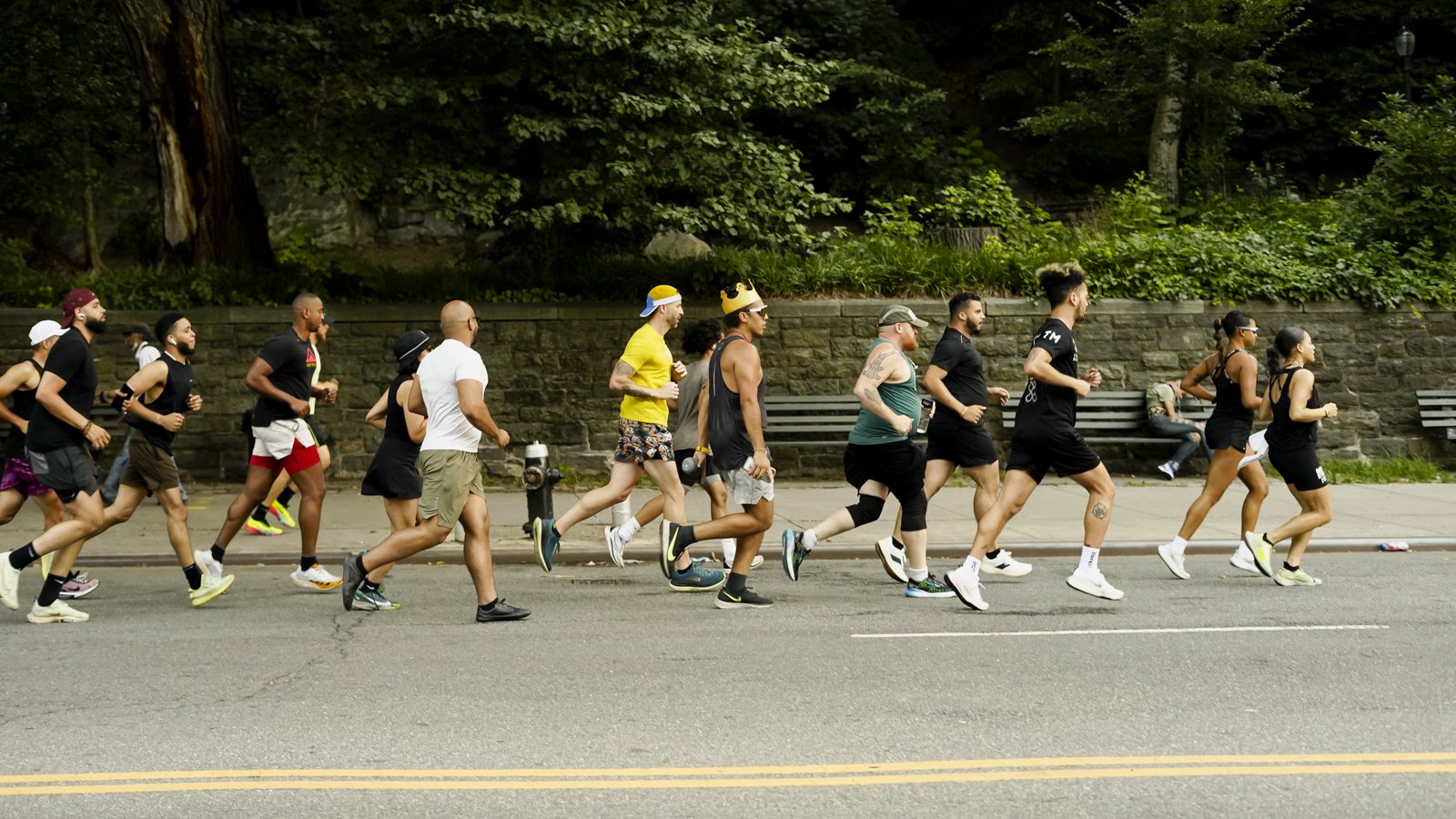
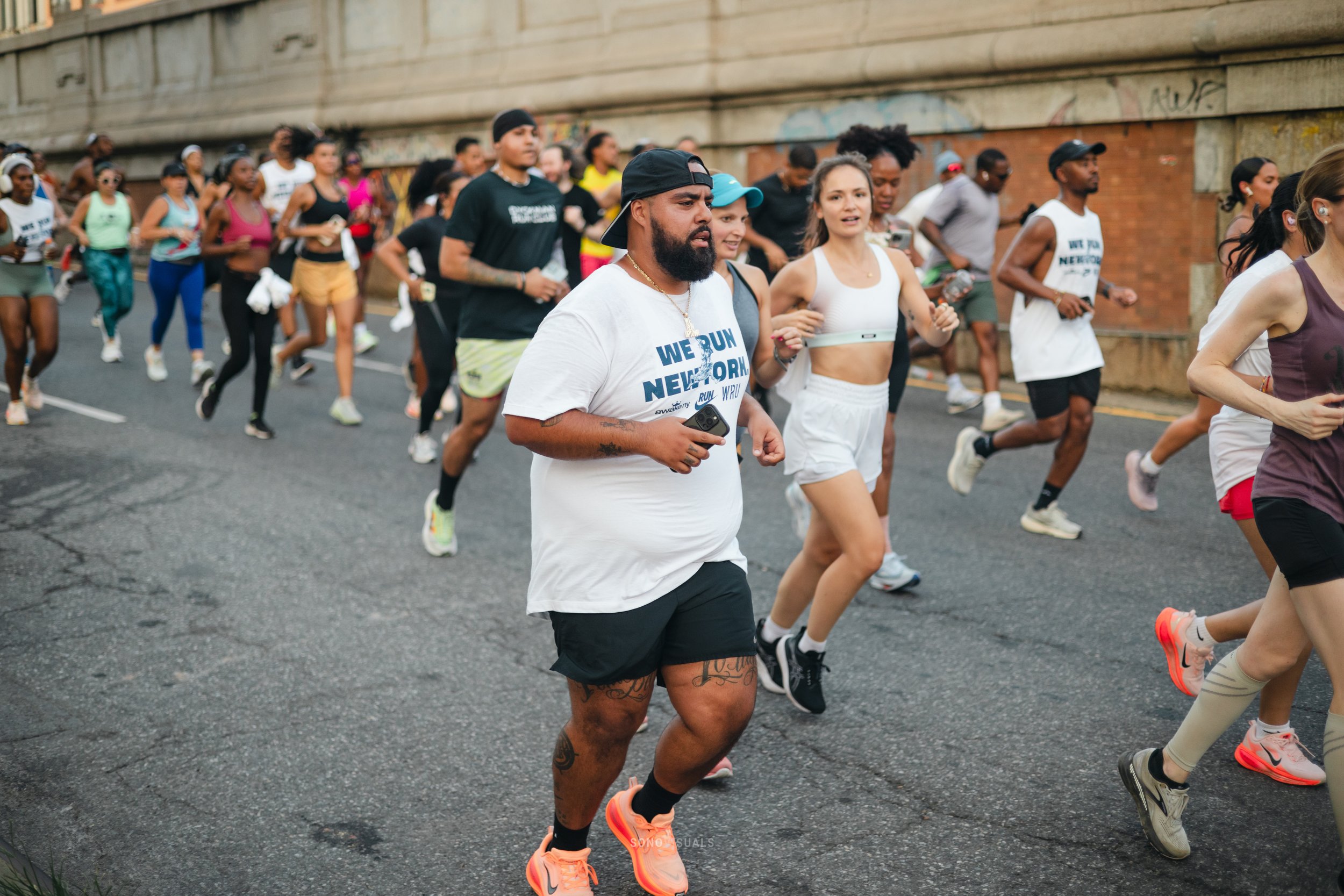
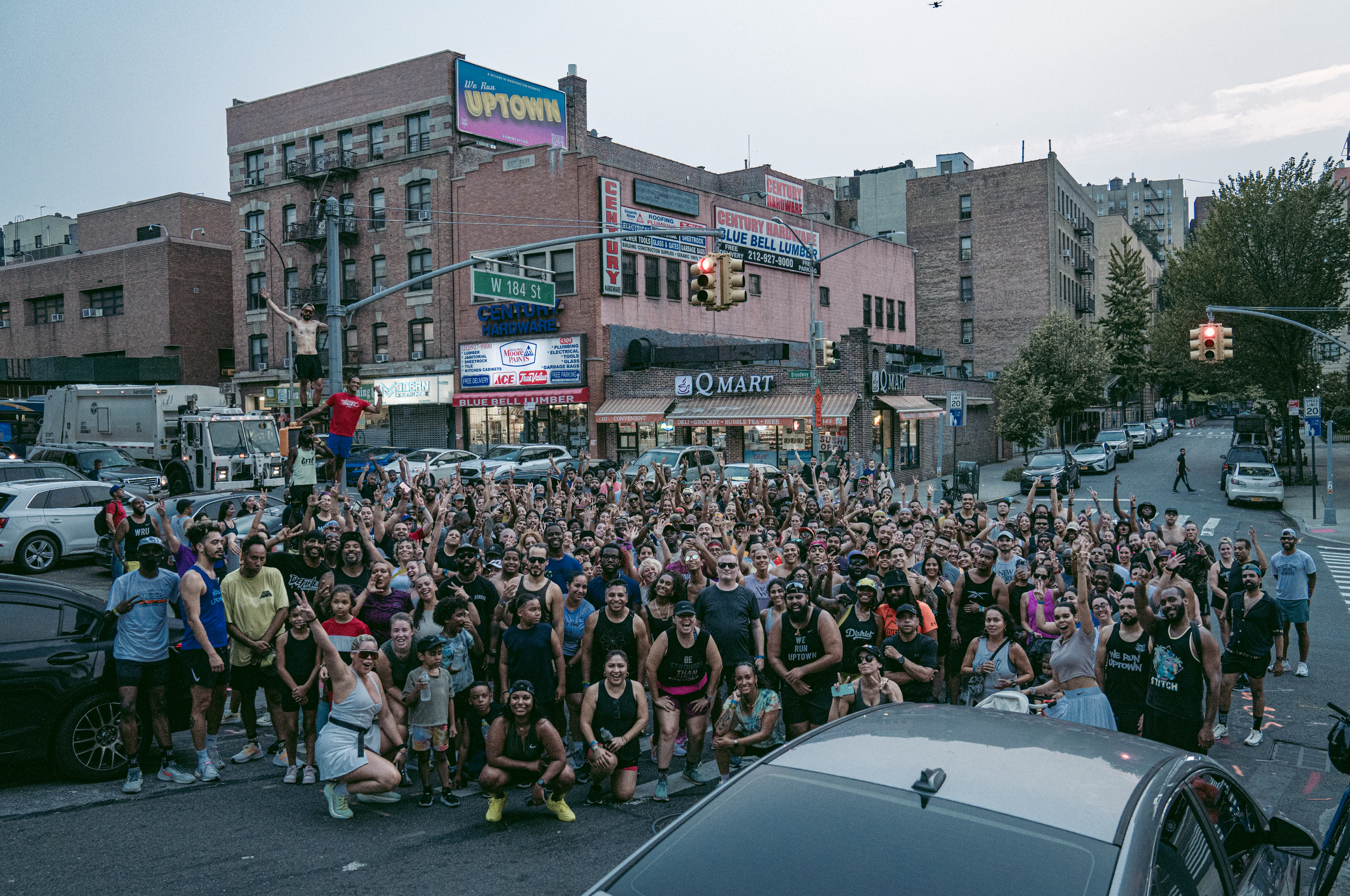
“I like to remind people that running is in our DNA. Without it, we wouldn’t be here today,” says Joshua Mock, co-founder of We Run Uptown Crew (WRU CREW), a community-driven running collective and nonprofit based in Upper Manhattan. Known for organizing the annual Uptown Games and hosting a well-known cheer zone at Mile 21 of the New York City Marathon, WRU CREW welcomes all running paces and skill levels, uplifting the Latine and local Uptown community. WRU CREW began in 2013, meeting every Monday and making health and wellness accessible, and is now one of the most influential running crews in New York City. When asked what his advice is for newcomers, co-founder Hector Espinal reminds me that, “You don’t have to be fast. You don’t have to run a certain distance. You just have to show up. And if you can find a community to support you—whether it’s WRU or another crew—do it. Running is so much easier when you have people to push you, to remind you that you belong.” WRU CREW cultivates community and belonging by bringing together people who care about health, fitness, reshaping what wellness looks like for Black, Brown, working-class, immigrant New York.
Courtesy of WRU Crew.
How did running become part of your lives?
Joshua Mock (JM): I've always been athletic and played sports, but running became a part of my life when I finally accepted an invite to a run that Hector wanted me to go on with him and some of the guys he’d already been running with. I saw how much fun Hector was having just running with his friends, you know. It’s been history ever since.
Hector Espinal (HE): Running was never something I saw myself doing growing up in Washington Heights. Where I’m from, sports meant basketball, baseball, or maybe football. Running wasn’t something we saw as a sport, let alone a lifestyle. It wasn’t until my mid-20s that I picked it up as a way to challenge myself. I needed something to push me beyond my comfort zone, something that would force me to be disciplined. Once I got into it, I realized how much it could change not just my physical health but my mindset, my confidence, and my approach to life.
What was the inspiration behind We Run Uptown Crew?
HE: After a tough breakup, I was in a dark place. I was depressed, feeling lost, and looking for something to pull me out of it. My sister encouraged me to start running as a way to get healthy, both physically and mentally. At first, she ran with me, but when she went back to school, I was on my own. And I knew myself—I knew that if I ran alone, I’d give up. I’d stop. I needed accountability, I needed energy, I needed people around me.
So I started texting friends: Meet me at 168th and Broadway. We’re going for a run on the bridge. I posted on Facebook. I just wanted company, someone to keep me moving. What started as a way to hold myself accountable turned into something bigger.
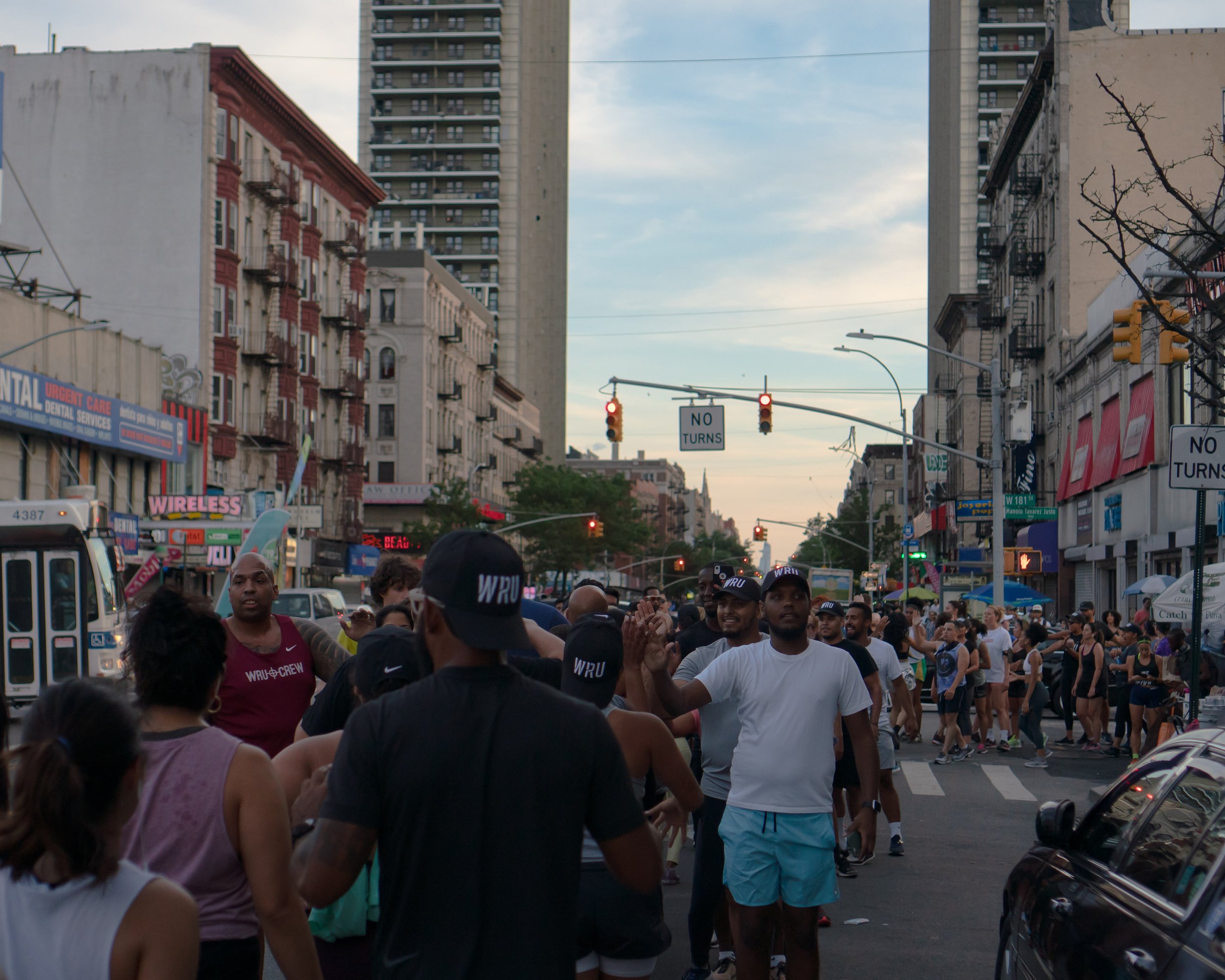
We started using the hashtag #WeRunUptown to spread the word, and before we knew it, that hashtag became an identity. People in the neighborhood saw what we were doing and wanted to be part of it. They wanted to run, but they didn’t see themselves in the running crews that existed at the time. There weren’t spaces that reflected our culture, our community, our energy. So we created one.
WRU was never about being the fastest or the strongest—it was about showing up. It was about giving people in our neighborhood a place where they could run, connect, and feel seen. A place where running wasn’t about pace or distance, but about the people beside you, pushing you forward. What started as a way for me to fight through my own struggles became something much bigger—a movement, a family, a home for runners who never thought they’d be runners.
Courtesy of WRU Crew.
While more people are being exposed to running, it’s still seen by some as not for us. And, like other fields within the health and wellness space, can be inaccessible for Black, Brown, immigrant, and/or lower-income communities. As individuals and as a collective, how do you create your own spaces in the running community?
JM: When we first started running, there were some instances where we've been stopped by the police because we be running in black hoodies, black shorts and a small group at the time and it look like we just dropped somebody, you know. You never really saw people of color running growing up. I think the space that we've been able to provide for our community is one that feels like home to people like us. People are us. And we want everybody to understand what we were doing was normal.
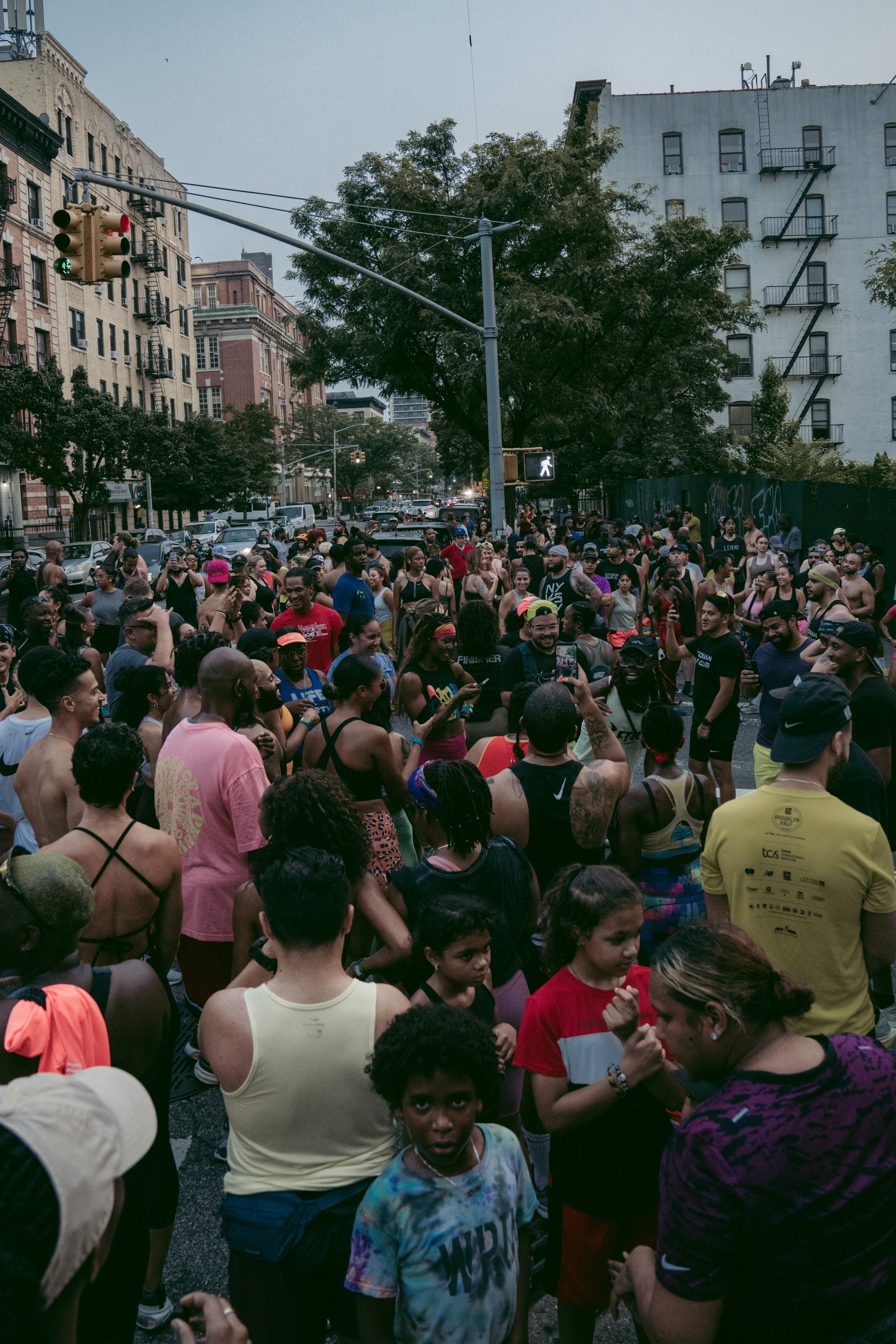
HE: We challenge those narratives just by existing. Just by showing up, by taking up space, by running through the streets of Uptown. Representation matters, and when people—especially young kids—see a group of mostly Black and Brown runners moving through their neighborhood, it changes the way they think about the sport. Running isn’t just for a certain type of person. It’s for anyone who wants to move, who wants to challenge themselves, who wants to connect with a community. WRU is proof of that. The biggest barrier has always been access—whether it’s gear, race fees, or just knowledge about how to get started. That’s why WRU is free. That’s why we welcome all paces. That’s why we connect people with resources, whether it’s shoe donations, race entries, or just mentorship. Running should be something that anyone can do, no matter their background. It changes lives. It gives people an outlet, a reason to show up for themselves. I’ve seen people come to WRU in some of the lowest moments of their lives—going through personal struggles, mental health battles, financial hardships—and find something in running that lifts them up. It’s not just about physical health; it’s about mental and emotional well-being. It’s about building confidence, setting goals, and proving to yourself that you can do hard things.
Courtesy of WRU Crew.
Courtesy of WRU Crew.
I’ve heard many people talk about running as something very liberating. Something freeing. As individuals, what has running taught you, and as leaders, what have you seen running teach your community?
JM: There’s people who’ve never ran a 5K in their life, and now they're like 3 to 4 time marathoners. We’ve seen people come to our space and change as humans for the better. As a leader, I have seen that running teaches you humbleness. I think it reminds everybody that no matter what, we can all accomplishment something, regardless. Running has told has told me to listen to my mind. Running will always and forever humble me, and has caused me to be more grounded and a little bit more understanding of life.
HE: I’ve seen people go from barely being able to run a mile to running marathons. I’ve seen people who swore they weren’t “runners” become the ones leading the pack. But beyond that, I’ve seen people build confidence. I’ve seen people make lifelong friendships, find accountability partners, and even change the way they approach life outside of running. WRU is bigger than just running—it’s about showing people what’s possible when you commit to something. Uptown deserves more than just being known for the clubs and the bars. This is home. This is a neighborhood full of culture, history, and resilience. But for a long time, there weren’t spaces dedicated to fitness or movement. Running crews existed, but not in our neighborhood. So we built one. We wanted Uptown to have something that belonged to us, something that reflected our energy, our culture, our community.
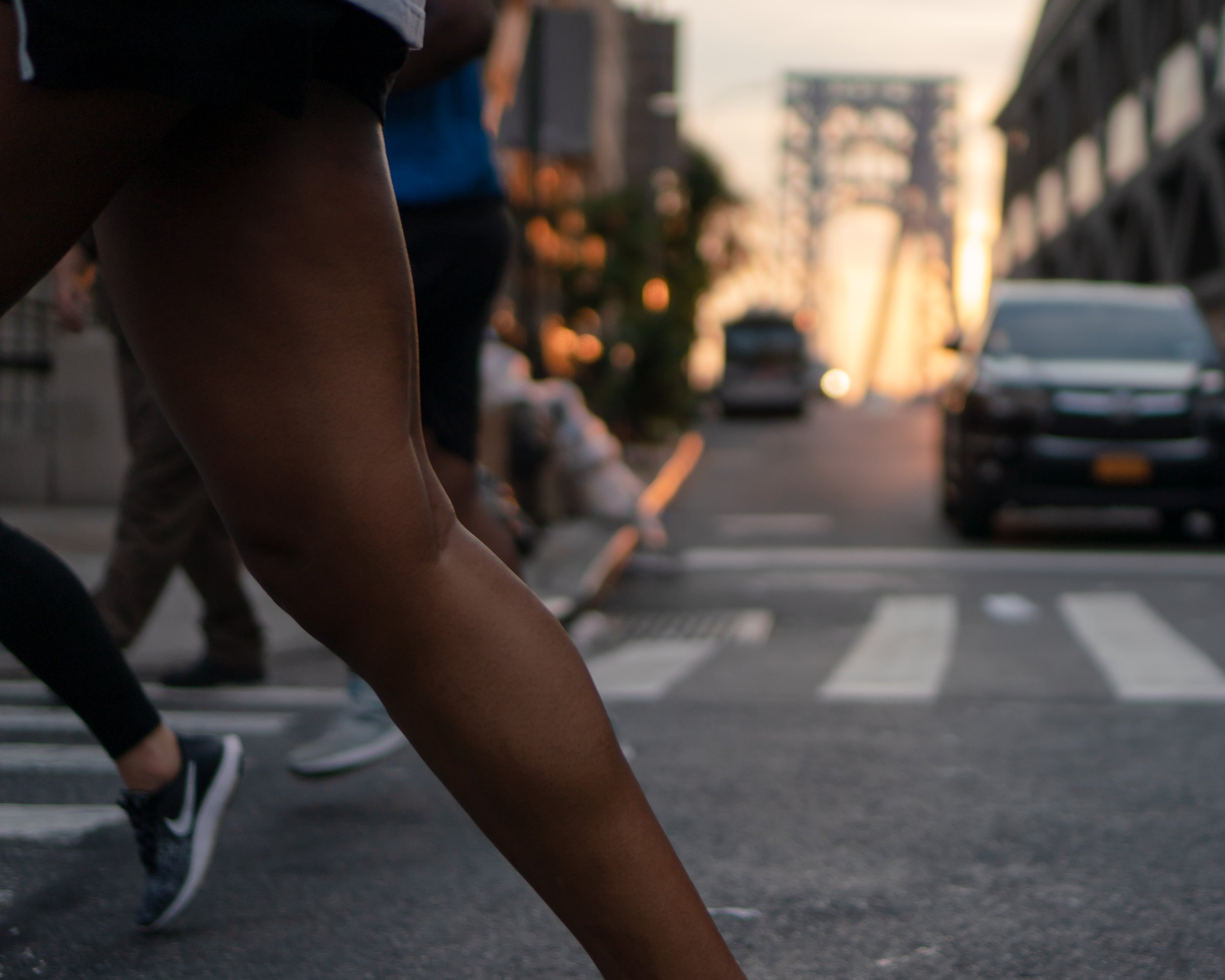
Running has taught me patience. It’s taught me resilience. It’s taught me that nothing happens overnight, but if you stay consistent, you’ll see growth. As a leader, I’ve seen it teach people discipline and self-belief. Running has a way of breaking you down and building you back up, and that’s a powerful lesson—especially for people who come from communities where struggle is part of everyday life.
Courtesy of WRU Crew.
In 2022, WRU launched Project Cleanup as an effort to combat the trash & litter issue affecting Uptown's streets. To date, WRU has removed more than 2,000 pounds of trash from the city's streets. Why is it crucial for you both and your team of volunteers to show up for the community holistically?
JM: I think it's important that we did something like this because personally, I was tired of seeing garbage everywhere. I'm somebody who likes to be outside and chill on blocks, and who wants to chill on a block with garbage floating everywhere? I think doing this has made our community care a little more about where they live. It's easy to be like, oh somebody else could pick it up. But it's more about the principal taking care of your home. People talk about gentrification and all these things, but they never look at themselves and what they're doing or not doing to be a part of the community or help uplift their community.
HE: Because if we don’t take care of our community, who will? Running through the streets every week, we saw the problem firsthand. Trash everywhere. No one doing anything about it. We could’ve ignored it, but that’s not who we are. We take pride in where we come from, and we want to set an example for the next generation. WRU isn’t just about running—it’s about showing up for our community in every way possible.
What keeps you going?
JM: Honestly, I still show up every day for myself. It’s a reset button for the week so that we could still do running with all the craziness in our lives.
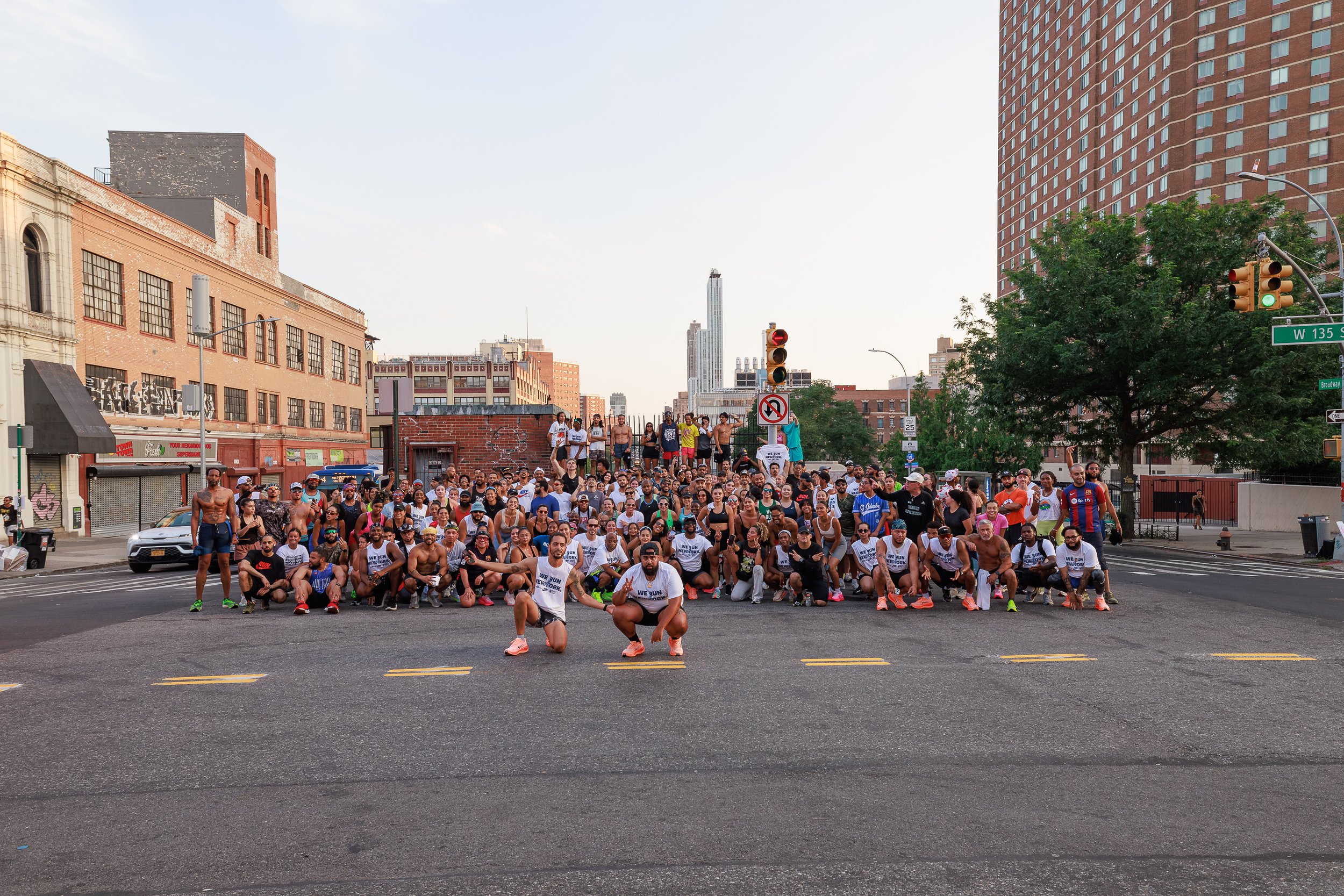
HE: The people. Seeing new faces show up. Seeing familiar faces grow. Seeing the impact running has on people’s lives. Every time someone tells me, “I never thought I’d be a runner,” and now they’re out there crushing miles—that’s what keeps me going. WRU started as something small, but it’s grown into a movement. And as long as people keep showing up, we’ll keep showing up for them.
Courtesy of WRU Crew.